RV Generator Tune-Up
Spark plugs, air filters, load testing, and everything your generator needs to run at its best. On-site service across Jensen Beach.
A generator tune-up goes well beyond an oil change. It covers spark plugs, air filter, fuel filter, valve adjustment, load testing, and a full inspection of belts, hoses, and electrical connections. Tune-ups run $175 to $350 depending on the generator, and Scott handles everything on-site. Most appointments take 60 to 90 minutes. Call 772-356-0328 to book yours.
What actually happens during a generator tune-up
If you've ever wondered what separates a tune-up from a basic oil change, the answer is: quite a lot. An oil change handles one system (lubrication). A tune-up addresses every system that keeps your generator producing clean, stable power. It's the difference between changing your truck's oil and getting a full service with new plugs, filters, belt inspection, and diagnostics.
At Jensen Beach RV Repair, Scott Marlins has been tuning up RV generators for over 10 years. He's completed more than 3,200 repairs across Martin County, and generator tune-ups are one of the most requested services. Here's a detailed look at what's involved.
Spark plug replacement
Spark plugs are the ignition source for every combustion cycle in your gas generator. Over time, the electrode wears down, the gap widens, and deposits build up on the tip. A worn spark plug produces a weaker spark, which means incomplete combustion, less power output, harder starting, and higher fuel consumption. Most generator manufacturers recommend new plugs every 300 to 500 hours. In Florida's heat, plugs tend to foul faster because generators work harder to maintain output when ambient temperatures are high. Scott checks the existing plug's condition (color, gap, electrode wear), then installs the correct replacement specified by your generator's manufacturer.
Air filter inspection and replacement
Your generator's air filter keeps dust, bugs, pollen, and debris out of the combustion chamber. In Jensen Beach, the filter also deals with sand particles, salt air, and the general Florida crud that comes with living near the coast. A clogged air filter restricts airflow, which makes the engine run rich (too much fuel, not enough air). That wastes fuel, fouls plugs faster, and can cause the generator to surge or run rough. During a tune-up, Scott inspects the filter and replaces it if it's dirty. If it's a washable filter (some generators use foam pre-filters), he'll clean and re-oil it.
Oil and filter change
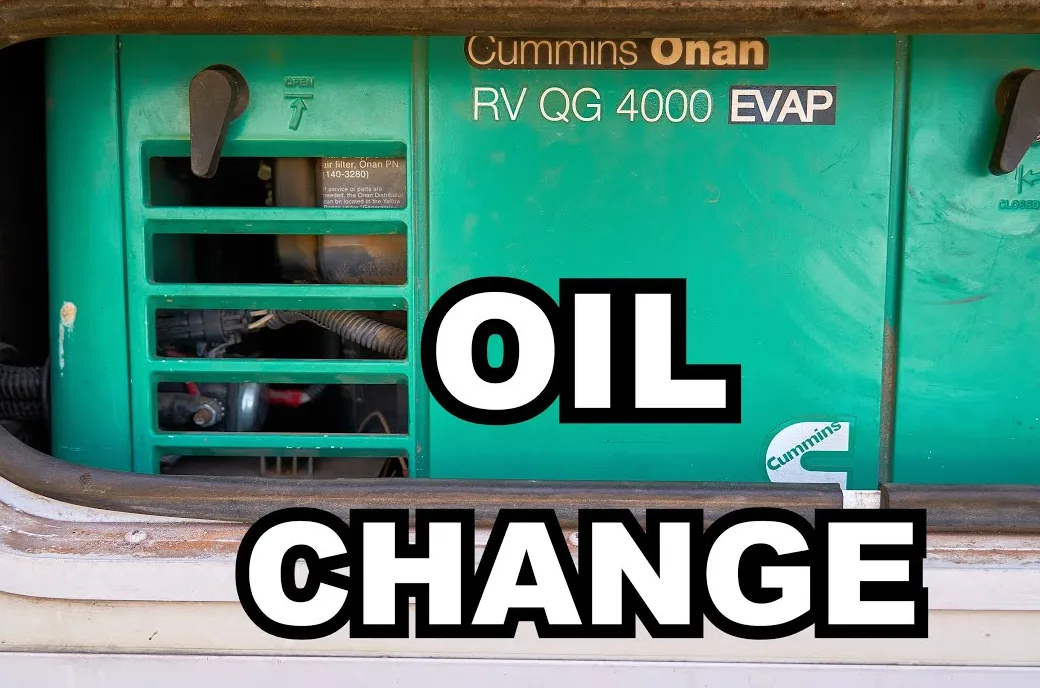
Every tune-up includes a full oil and filter change. Fresh oil is critical for lubrication, heat dissipation, and keeping internal components clean. If you're getting a tune-up, there's no reason to run old oil. Scott drains the existing oil, replaces the filter, and fills it with the manufacturer-recommended grade and quantity.
Fuel system check
The fuel filter gets inspected and replaced if it's restricting flow. Scott also checks fuel lines for cracks, soft spots, and connections that may have loosened from vibration. On carbureted generators, he'll inspect the carburetor for varnish buildup (extremely common when fuel sits for months) and clean it if needed. Fuel-injected units get an injector check and fuel pressure test.
Valve adjustment
Not every generator needs this, but many do. Over time, valve clearances can drift out of spec as the valve seats wear. When clearances are too tight, valves don't seal properly and you lose compression. When they're too loose, you get excessive noise and reduced efficiency. Scott checks the clearances with feeler gauges and adjusts them to factory spec. This step alone can make a noticeable difference in how smoothly your generator runs.
Load testing
This is where the tune-up really proves its value. Scott runs the generator under load (using actual appliances or a load bank) and measures voltage output, frequency stability, and amperage draw. A healthy generator should produce steady 120V at 60Hz without sagging under load. If the readings are off, it points to issues that need attention. Load testing also confirms that everything done during the tune-up is actually working correctly.
Belt, hose, and electrical inspection
Scott inspects the exhaust system for leaks or damage, checks coolant hoses on liquid-cooled generators, examines drive belts for cracks or glazing, and tests all electrical connections for corrosion or loose terminals. In the salt air environment around Jensen Beach, corrosion on electrical connections is one of the most common hidden issues. A corroded ground connection can cause all sorts of intermittent problems that are hard to diagnose if you don't know where to look.
When your generator is telling you it needs a tune-up
Generators don't usually fail without warning. They give you signs first, and a tune-up is often the right response. Watch for these indicators:
- Hard starting or cranking for a long time before firing
- Surging (RPM going up and down rhythmically)
- Black smoke from the exhaust (running too rich)
- Higher fuel consumption than normal
- Voltage output that's inconsistent or lower than 120V
- The generator stalls under load when you turn on the AC or microwave
- It's been more than a year or 300+ hours since the last tune-up
- The generator runs but just doesn't feel as strong as it used to
Why tune-ups pay for themselves
A generator that's running out of tune uses 15% to 25% more fuel than a properly tuned one. Over a season of heavy use, that adds up fast. More importantly, a tune-up catches problems before they snowball. A $5 spark plug replaced during a tune-up prevents a fouled combustion chamber. A $12 fuel filter prevents carburetor damage from dirty fuel. A valve adjustment prevents compression loss. Each small maintenance item prevents a much larger repair bill down the road.
Scott has been doing this for over a decade across Jensen Beach, Stuart, Palm City, and the rest of Martin County. He's seen the difference between generators that get regular tune-ups and those that don't. The well-maintained ones last 8,000 to 12,000 hours. The neglected ones rarely make it past 3,000. At $175 to $350 per tune-up once a year, the math works out strongly in favor of regular maintenance.
Scheduling and service area
We serve all of Jensen Beach, Stuart, Palm City, Hobe Sound, Port Salerno, Sewalls Point, Indiantown, and Rio. Scott comes to wherever your RV is located. Tune-ups take 60 to 90 minutes and can often be scheduled same-day or next-day. Call 772-356-0328 to set up an appointment.
Generator Tune-Up Questions
What's included in an RV generator tune-up?
A full tune-up includes spark plug replacement, air filter inspection and replacement, oil and filter change, fuel filter check, valve clearance adjustment (on models that need it), load testing under real-world conditions, exhaust system inspection, and a check of all electrical connections. It's essentially a full health check for your generator.
How much does a generator tune-up cost in Jensen Beach?
A standard generator tune-up runs $175 to $350 depending on the generator model and what parts it needs. Gas generators are typically less expensive than diesel units. We'll give you a firm price after inspecting your specific generator so there aren't any surprises.
How often should I get a generator tune-up?
Most manufacturers recommend a tune-up every 300 to 500 hours or once a year. If you use your generator heavily during Florida's hot months, or if it sits unused for extended periods, you may want to tune it up more frequently. Regular tune-ups catch small problems before they become expensive repairs.
Can you tune up my generator at my campsite?
Absolutely. We do all our work on-site. Scott brings everything needed for a complete tune-up right to your campsite, driveway, or storage lot anywhere in Jensen Beach, Stuart, Palm City, or Martin County. Most tune-ups take 60 to 90 minutes.
My generator runs but surges up and down. Will a tune-up fix it?
Surging is one of the most common issues a tune-up resolves. It's usually caused by a dirty carburetor, clogged fuel filter, worn spark plug, or air leak in the intake. A proper tune-up addresses all of these. If the surging has a different root cause (like a governor issue), we'll identify it during the inspection and let you know.
What's the difference between an oil change and a full tune-up?
An oil change replaces your oil and filter. That's it. A tune-up includes the oil change plus spark plugs, air filter, fuel filter check, valve adjustment, load testing, and a full inspection of belts, hoses, exhaust, and electrical connections. Think of an oil change as basic maintenance and a tune-up as a complete service.
Do you work on diesel RV generators?
Yes. We service both gas and diesel generators including Onan QD (quiet diesel) series, Cummins diesel units, and other brands. Diesel tune-ups include fuel filter replacement, glow plug inspection, and injector checks in addition to the standard tune-up items.
Will a tune-up help my generator start more easily?
In most cases, yes. Hard starting is commonly caused by a fouled spark plug, weak fuel delivery, or a dirty air filter, all things that get addressed during a tune-up. If the starting issue is caused by something else (like a failing starter motor or low battery), we'll diagnose that during the service and recommend the right fix.
Time for a generator tune-up?
Same-day service available across Jensen Beach and Martin County. 3,200+ repairs completed.